The Structural Resilience: Calibrating the Fiduciary Longevity of Global Luxury Portfolios
An examination of how integrated asset management replaces the friction of fragmented ownership with a streamlined framework of structural integrity and strategic performance.
Opening Perspective
In the contemporary landscape of global wealth, the acquisition of luxury assets - ranging from transcontinental aviation fleets to bespoke maritime vessels and blue-chip art - has evolved beyond mere consumption into a complex exercise of jurisdictional navigation. The modern principal no longer seeks the mere possession of rarity; they require the liberation from the administrative friction that traditionally accompanies high-value ownership. This shift necessitates a transition from fragmented management toward a state of structural resilience, where the asset's lifecycle is governed by a singular, cohesive advisory framework.
The traditional model of luxury asset oversight often suffers from the "Friction of Fragmentation," where legal structures, tax compliance, and operational maintenance are handled by disparate entities across multiple jurisdictions. This lack of coordination not only introduces unnecessary regulatory risk but also dilutes the strategic performance of the asset class. By implementing a one-stop asset management model, the administrative burden is transformed into a streamlined framework of fiduciary rigor.
Core Analysis
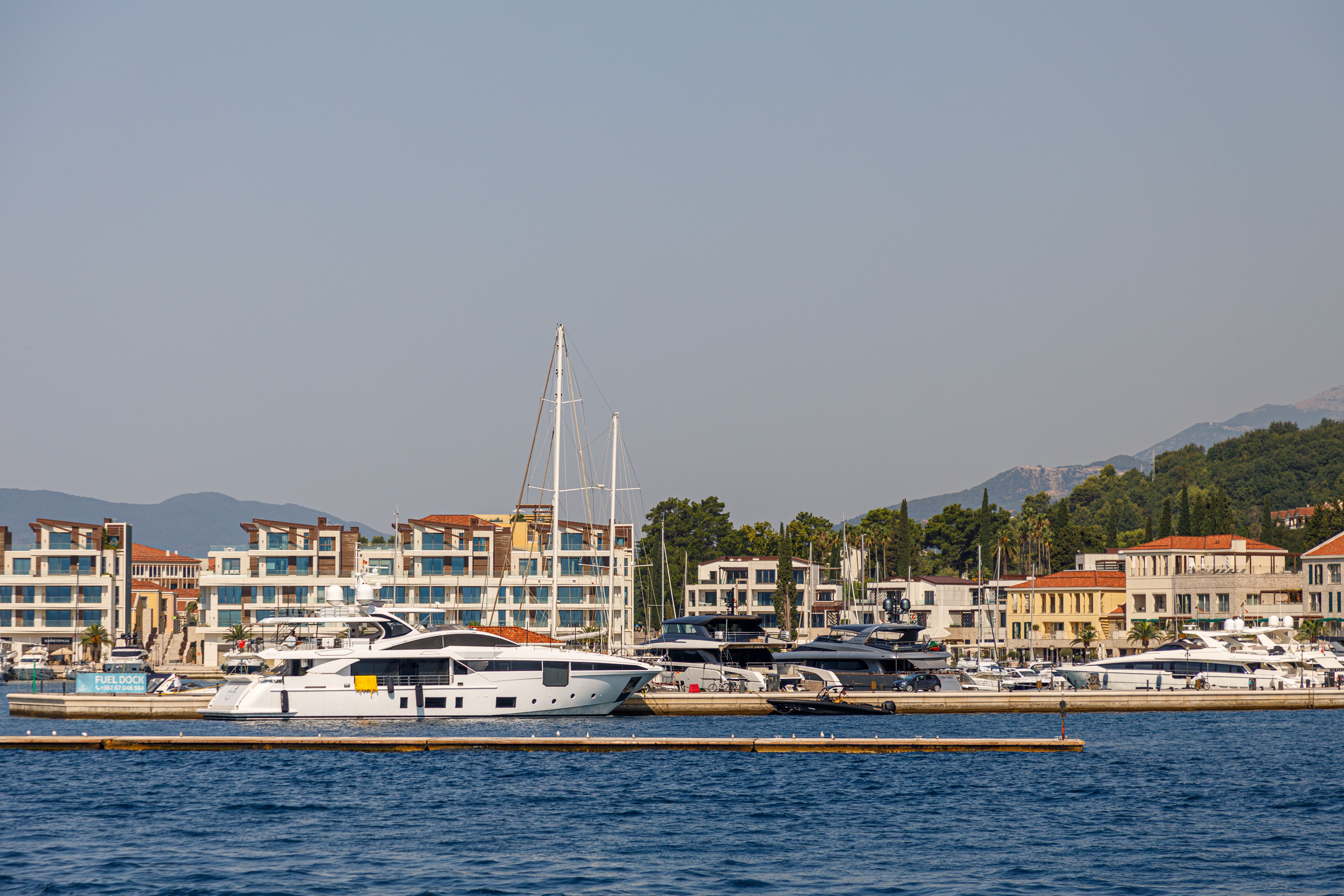
This allows for the seamless integration of yachts, aircraft, and property into a unified ecosystem, ensuring that every transaction - from initial setup to eventual termination - is executed with institutional precision.
At the core of this approach is the calibration of operational longevity. Strategic portfolio performance is not merely a reflection of market appreciation, but a result of the structural integrity of the ownership vehicles employed. Whether utilizing specialized trust services or bespoke corporate holdings, the objective remains the same: to ensure that the asset serves the principal's legacy without compromising their peace of mind.
Closing Note
Through simplified oversight, the complexity of global trends and shifting private client requirements is distilled into a state of administrative equilibrium. This enables the global elite to enjoy the utility of their assets while maintaining the highest level of care and expert management, effectively turning luxury ownership into a strategic pillar of their broader wealth architecture.